
Every £1 Hopestead spends returns £3 in social value, new report shows
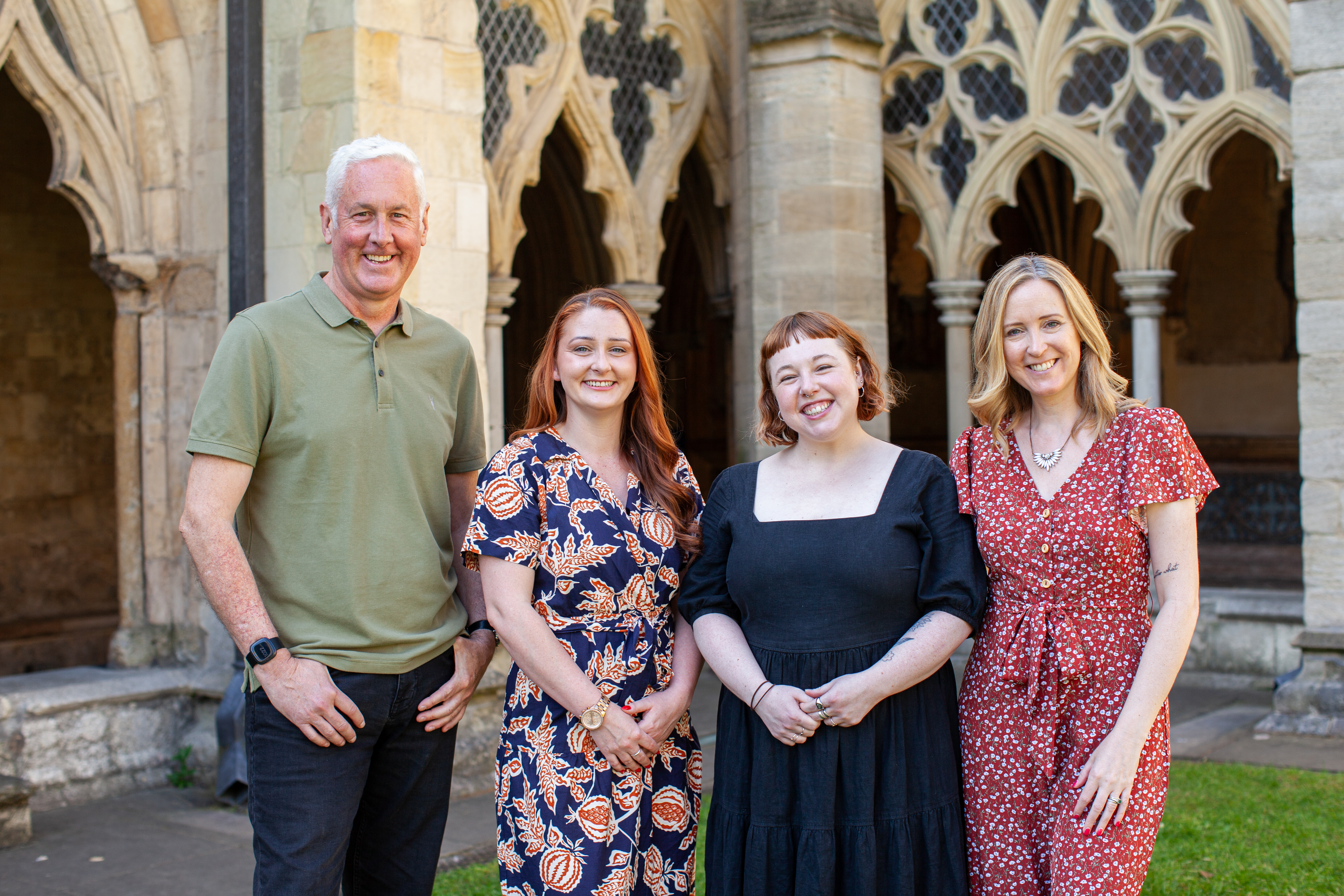
Hopestead team members, from left, fundraising manager Chris Elliott, community project lead Kelsey Lund, programme and policy manager Bethan Bishop and director of operations Lucy Parish
Hopestead has shown that furnishing the homes of people leaving homelessness doesn't just change lives, it saves its parent housing group hundreds of thousands of pounds a year.
Part of Bromford Flagship LiveWest (BFL), Hopestead supported 300 BFL households across the east of England last year through its Hope at Home programme, providing the beds, cookers, carpets and other essentials people need when they move into a new home, often after months in temporary accommodation, a refuge, or on the streets.
New analysis in the charity's 2025-26 impact report, published today, puts a figure on what that early support is worth to the group.
By helping people settle and stay put, Hopestead estimates it prevented around 11 tenancy failures last year, avoiding roughly £320,500 in eviction, void and re-letting costs that BFL would otherwise have carried.
Ninety-seven per cent of the people Hopestead supported kept their tenancies. None were evicted or abandoned their homes.
Lucy Parish, director of operations at Hopestead, said the figures make a wider point about how housing associations and charities can work together.
"When someone moves into a home after homelessness, getting them through that first year is everything. A roof on its own isn't enough.
"If the place is empty, cold and impossible to live in, people fall back into crisis, and that costs everyone, most of all the person living it.
"What this report shows is that a small charity, working closely with a big landlord, can keep people housed and take real pressure off the system at the same time.
"That's not just good for our customers. It's good business sense. We think it's a model others in the sector should be looking at."
The partnership data also speaks to expectations set by the Regulator of Social Housing, evidencing strong tenancy sustainment and a preventative approach that reduces future demand on services.
Beyond Hope at Home, the charity had a busy year across its other programmes. It awarded a record £200,000 to 11 frontline charities through its Hope Funds grants scheme, and completed Netherwood Green in Lakenham, Norwich, a development of 12 self-contained flats for people moving on from homelessness.
Built on a derelict garage site gifted by Norwich City Council, the scheme brought together St Martins Housing Trust, Flagship Homes and Hopestead, and every flat filled frees up a hostel space elsewhere for someone sleeping rough.
The report lands as homelessness across the east of England keeps climbing, with more than 26,000 people now affected and nearly half of those in temporary accommodation children.
Ms Parish said: "The need is rising, but so is what we can do about it. Six years in, our belief that everyone deserves a place to call home has only grown sharper, and we're more convinced than ever that prevention is where the difference gets made."
The full Hopestead Impact Report 2025-26 is available at hopestead.org/impact-report-2025-26